Not every lodge in Amboseli will give you the same elephant experience. The park is famous for them, and rightly so, but the quality of an elephant-focused stay depends on something more specific than simply showing up. It depends on where your lodge sits, how quickly you reach the right game-drive zones, and how many mornings you have to work with.
Some stays are built for fast park access. Some deliver deck-side atmosphere with elephants wandering close. Some are best for photographers who need repeated dawn windows. The names that come up most consistently in elephant-first Amboseli planning are Ol Tukai Lodge, Amboseli Serena Safari Lodge, Tortilis Camp, Tawi Lodge, and Kibo Safari Camp. But they are not strong for the same reasons, and choosing between them without understanding why leads to a mismatch between expectations and experience.
Why Location Matters More Than Lodge Rating
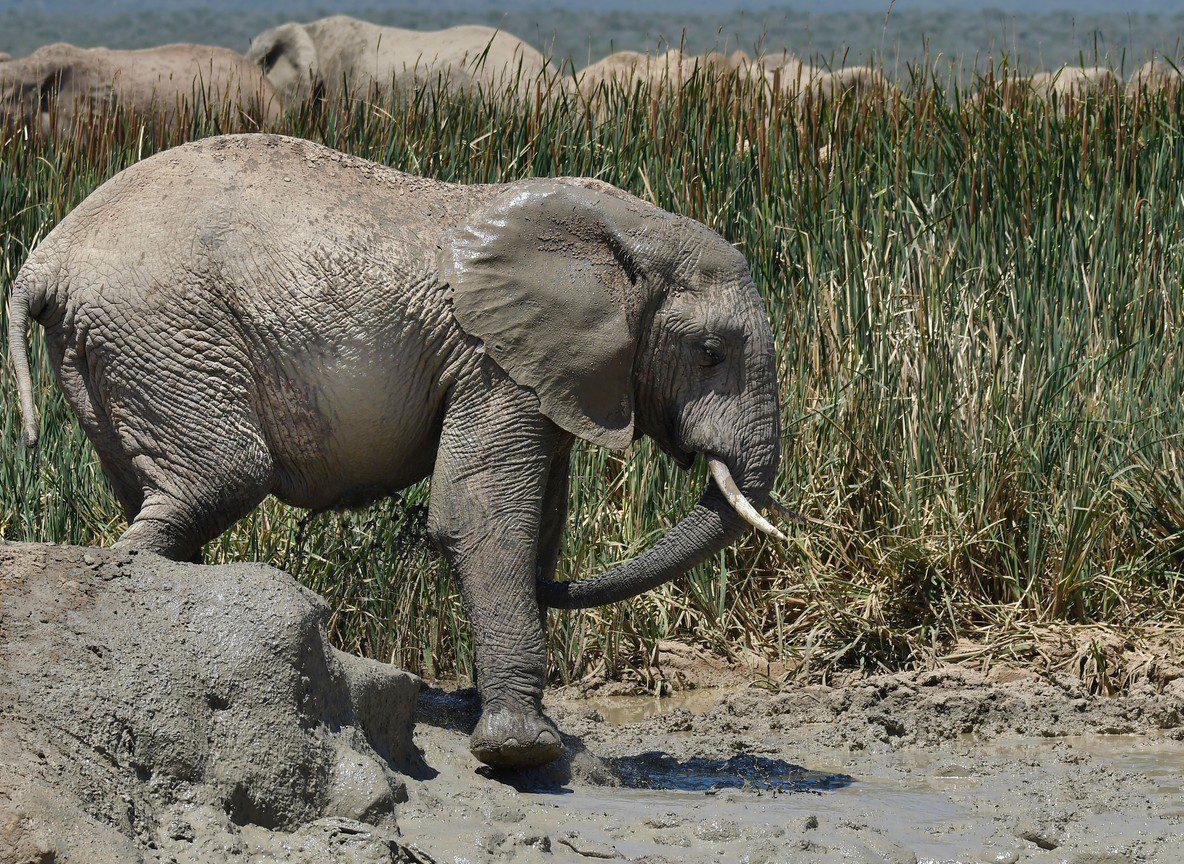
The Amboseli ecosystem is defined by its swamps and wetland zones. These water sources draw elephants year-round, particularly in the early morning and late afternoon. A lodge positioned close to these zones, or one that gives you efficient access to them, will produce more elephant encounters than a more luxurious property positioned awkwardly relative to the park core.
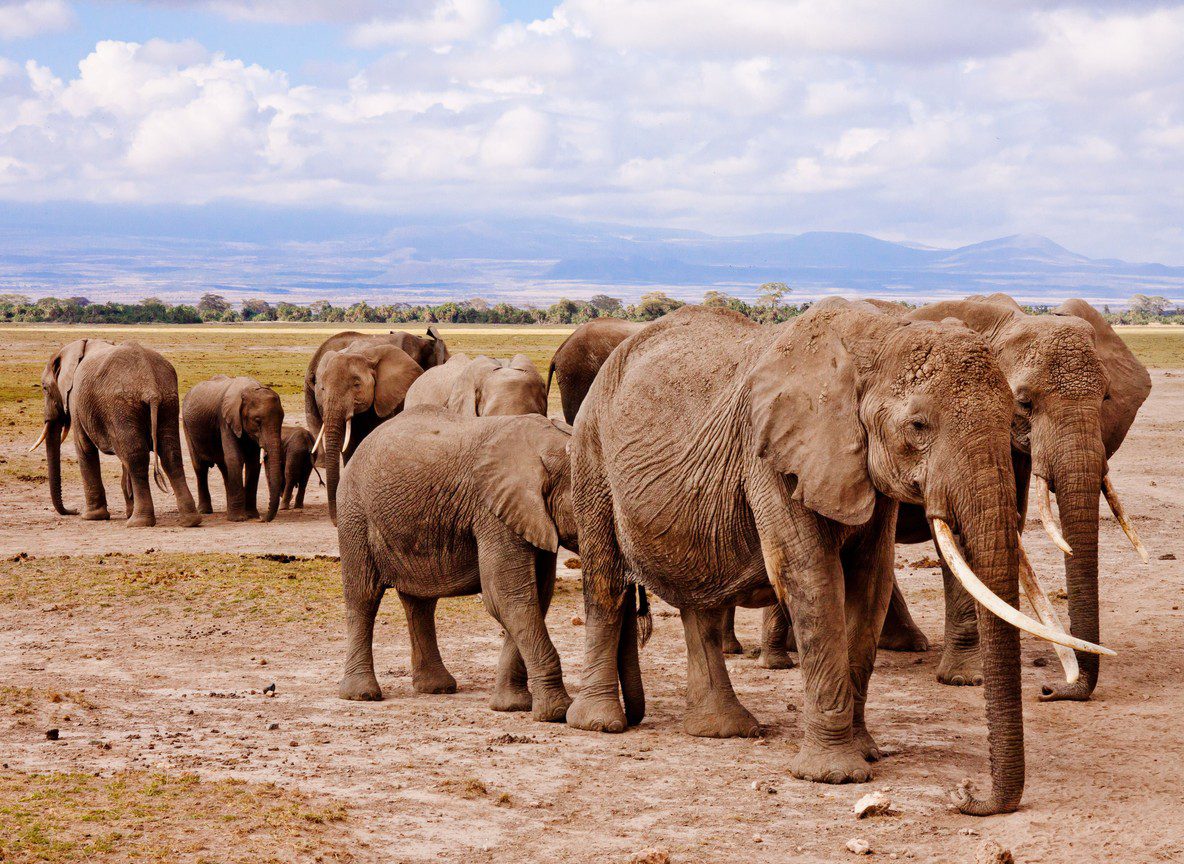
The Ol Tukai area has a long association with iconic elephant photography for exactly this reason. The wetland setting, combined with Kilimanjaro haze on the horizon, is the image most people associate with Amboseli. Being based near that zone is a genuine advantage.
Positioning near Kimana Gate or in a private conservancy changes the daily rhythm. You might spend more time on transfer and less time in productive wildlife zones. On a two-night stay, that matters.
Ol Tukai Lodge: The Clearest Elephant Reference
Ol Tukai comes up first in almost every elephant-focused Amboseli conversation, and for practical reasons. The lodge sits within the park with uninterrupted views of wetlands and open plains. Amboseli.org describes it as famous for elephant viewing with the mountain in the background. That is not just marketing: the wetland context here puts elephants in sightline throughout the day, not only during game drives.
Best suited to:
- First-time elephant-focused visitors who want a reliable, well-understood answer
- Photographers looking for repeated access to the wetland and open-plain settings
- Guests who want classic Amboseli framing without needing boutique intimacy
The tradeoff is that Ol Tukai is a larger lodge, which means it can feel less intimate than a small conservancy camp. For some guests that matters. For others, the consistent wildlife access outweighs it.
Amboseli Serena Safari Lodge: Practical Park Access
Serena is often discussed primarily as a family-friendly option, and it is. But it earns a place in the elephant conversation because its park positioning keeps access straightforward and the daily game-drive structure simple. Balconies look out over grasslands, and the lodge offers a familiar, full-board setup that removes decision fatigue from the trip.
Best suited to:
- Families who want elephants without complicating logistics
- First-time safari travellers who want a proven park-lodge formula
- Guests who value predictable access over boutique mood
Serena is not the most atmospheric answer for an elephant safari, but it is one of the most reliable practical ones.
Tortilis Camp: Atmosphere and Conservancy Access
Tortilis sits on the southwestern edge of the park and opens into a private conservancy context. The camp offers dramatic Kilimanjaro views alongside access to elephant-rich terrain in and around the conservancy boundary. Its material mentions family tents and a private house alongside standard tented accommodation, which expands who can use it well.
What Tortilis offers that Ol Tukai and Serena do not is atmosphere. The conservancy edge gives the stay a quieter, more remote feel. Elephants are still central to the experience, but the overall mood is richer for travellers who want more than pure wildlife access.
Best suited to:
- Couples and repeat safari travellers
- Guests who want elephants plus strong scenery plus a more considered stay
- Photographers who want the mountain-composition angle alongside wildlife
The tradeoff here is that Tortilis is less immediately simple than an inside-park stay. For guests who want an easy default, Ol Tukai or Serena usually wins. For guests who want more atmosphere and can invest a little more, Tortilis is often worth it.
Tawi Lodge: Conservancy Edge with Elephants Close to Camp
Tawi Lodge sits on a private conservancy about five minutes from Kimana Gate. All cottages have Kilimanjaro views, and the property notes that elephants often pass very close to the cottage decks. That last point is worth taking seriously. On a well-positioned conservancy like this one, the elephant experience does not only happen during game drives. It happens throughout the day.
This makes Tawi appealing for a specific kind of elephant-focused stay: one where the animals are part of the camp atmosphere rather than something you go to find. The conservancy location also means a quieter, more private experience overall.
Best suited to:
- Couples and quieter travellers
- Photographers who appreciate a slower, more observational safari pace
- Guests who want a lodge that keeps them in elephant country around the clock, not just on drives
Kibo Safari Camp: Practical Value Close to the Park
Kibo is not a luxury name, and it does not need to be to earn a place on an elephant shortlist. It sits near the park boundary and operates a large number of self-contained tents including family configurations. For guests who want Amboseli elephants on a sensible budget, it is a consistent and honest option.
The atmosphere is simpler and more camp-style than the properties above. The tradeoff in accommodation standard is real. But the wildlife access, particularly for a short trip focused on elephant encounters rather than lodge experience, is workable.
Best suited to:
- Budget-aware travellers and family groups
- Guests who want elephants without needing a headline property
- Practical, value-led trips where the budget is better spent elsewhere in the itinerary
What Actually Makes an Elephant Lodge Worth Choosing
A lodge is good for elephant sightings if it gives you fast access to the right game-drive zones, enough stay length to catch multiple morning light windows, and positioning near the wetlands or open plains where elephant activity concentrates. The lodge name matters less than whether the location and trip structure actually support meaningful wildlife encounters.
A one-night stay at any lodge limits what you can do. Two nights is a more honest minimum for an elephant-focused Amboseli trip. Three nights gives you better chances of catching ideal conditions.
Photographers should think primarily about repeated dawn access. The best elephant, dust, and mountain light in Amboseli usually belongs to the first hour of morning. A stay that gives you that window two or three mornings in a row is more valuable than a fancier room that costs you useful field time.
Quick Comparison: Amboseli Elephant Lodges
| Stay | Strongest For | Elephant Advantage | Main Tradeoff |
|---|---|---|---|
| Ol Tukai Lodge | Classic first-time elephant safari | Wetland-linked iconic setting | Less intimate than boutique camps |
| Amboseli Serena | Families and simple park stays | Strong park access, easy structure | Less specialized atmosphere |
| Tortilis Camp | Couples and richer safari mood | Park and conservancy context, strong scenery | More style-led than purely simple |
| Tawi Lodge | Quiet elephant-focused stays | Elephants near camp plus fast park access | Less central park-core feel |
| Kibo Safari Camp | Practical value-led stays | Honest elephant base near the park | Less premium atmosphere |
Explorer Notes: Planning Your Elephant Stay
A few practical points worth knowing before you choose:
The dry season from June through October generally gives the clearest conditions for elephant photography. Dust in the air during this period can create striking light at dawn. The wet season from November through May brings lush scenery and fewer visitors, but the haze that obscures Kilimanjaro is more frequent.
If Kilimanjaro views matter as much as elephant encounters, build extra flexibility into your stay. The mountain clears most reliably in the early morning and not every day. Two nights gives you more chances than one.
The wetland zones near Ol Tukai are productive throughout the year because water sources here remain relatively stable. If your primary goal is consistent elephant access rather than seasonal spectacle, this area delivers.
Practical Planning
How to choose fast: If the brief is “I want elephants first,” start with Ol Tukai. If the brief is “I want elephants plus intimacy,” compare Tortilis and Tawi. If the brief is “I want elephants for the whole family on a sensible budget,” look at Kibo alongside Serena.
Where to read more: For a full picture of Amboseli’s wildlife zones and seasonal conditions, touringinsights.com has detailed coverage of how the park’s wetland ecology drives wildlife movement.
External reference: Ol Tukai’s positioning relative to the swamps and what that means for elephant viewing is covered in depth on trunktrailssafaris.com, which has been running elephant-focused Amboseli trips for years and documents how lodge location affects encounter frequency.
Where to Go From Here
The five lodges above cover most of what an elephant-focused Amboseli trip needs. What changes between them is the experience level: how intimate, how atmospheric, how photography-oriented, how practical.
Match the lodge to that specific variable rather than to a general quality rating, and the decision usually becomes straightforward. An elephant safari in Amboseli is one of the most reliable wildlife experiences in East Africa. The main job is to choose a stay that lets the elephants do the work.
Prefer a different route, budget, or travel style? This plan can be adapted to fit.
Customise Your Trip